In my previous blogs I looked at how far my electric car can travel in different conditions and how easy it is to charge on long journeys. This time, I explore how much it costs to charge an electric car.
Unlike petrol or diesel, electricity prices to charge an electric car vary enormously depending on where and when you charge. The market can feel confusing, and it would benefit from clearer rules and more competition.
Comparing Costs
Most people are familiar with fuel prices in pence per litre. Here I combine this with a car's fuel economy to work out the cost per mile.
At current prices:
- Petrol: £1.55 per litre and 50 mpg = 14 pence per mile
- Diesel: £1.70 per litre and 55 mpg = 14 pence per mile
Electric cars are different. Charging costs are based on the price of electricity per kilowatt-hour (kWh). My car typically travels around 4 miles per kWh, making it easy to work out the cost per mile.
Charging at Home
Using a standard home electricity tariff of 26p per kWh, charging costs around 6.5 pence per mile.
However, I usually charge overnight using the Octopus Go tariff at 9p per kWh, which reduces the cost to just 2.25 pence per mile.
On sunny days, some of my electricity comes from my solar panels and home battery, lowering the cost even further. In summer, I can sometimes charge directly from solar power during the day, effectively charging for free.
Charging on a Holiday to Wales
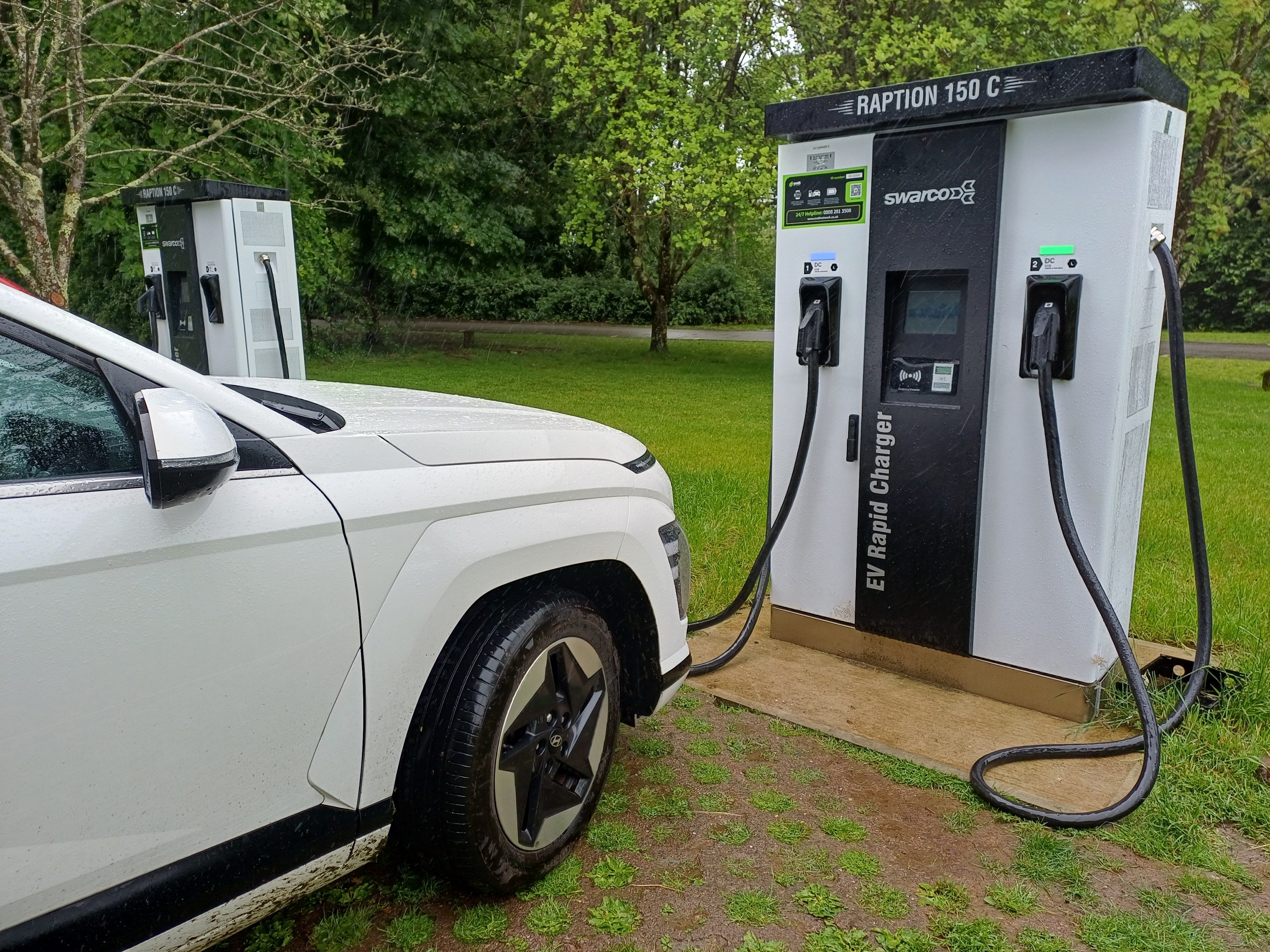
My Hyundai Kona has a 65.4 kWh battery and an official range of 319 miles. Usually I charge cheaply at home, but during a recent trip to Wales I used a range of public chargers.
|
Location |
Charger Type |
Price per kWh |
Cost per Mile |
|
Killington Lakes Services |
Fast |
89p |
22p |
|
Hotel in Wrexham |
Fast |
92p |
23p |
|
Betws-y-Coed |
Medium-fast |
45p / 85p |
11p / 21p |
|
Tesco, Aberystwyth |
Slow-medium |
49p |
12p |
|
Leisure Centre, Tenby |
Slow-medium |
65p |
16p |
|
Friend's House, Swansea |
Very slow |
26p |
6p |
|
M6 Motorway Services |
Fast |
80p |
20p |
|
Home Recharge |
Slow |
9p |
2p |
What I Found
- Motorway fast chargers cost between 20 and 23 pence per mile, which is more expensive than petrol or diesel.
- Fast public charging can cost nine times more than cheap overnight home charging.
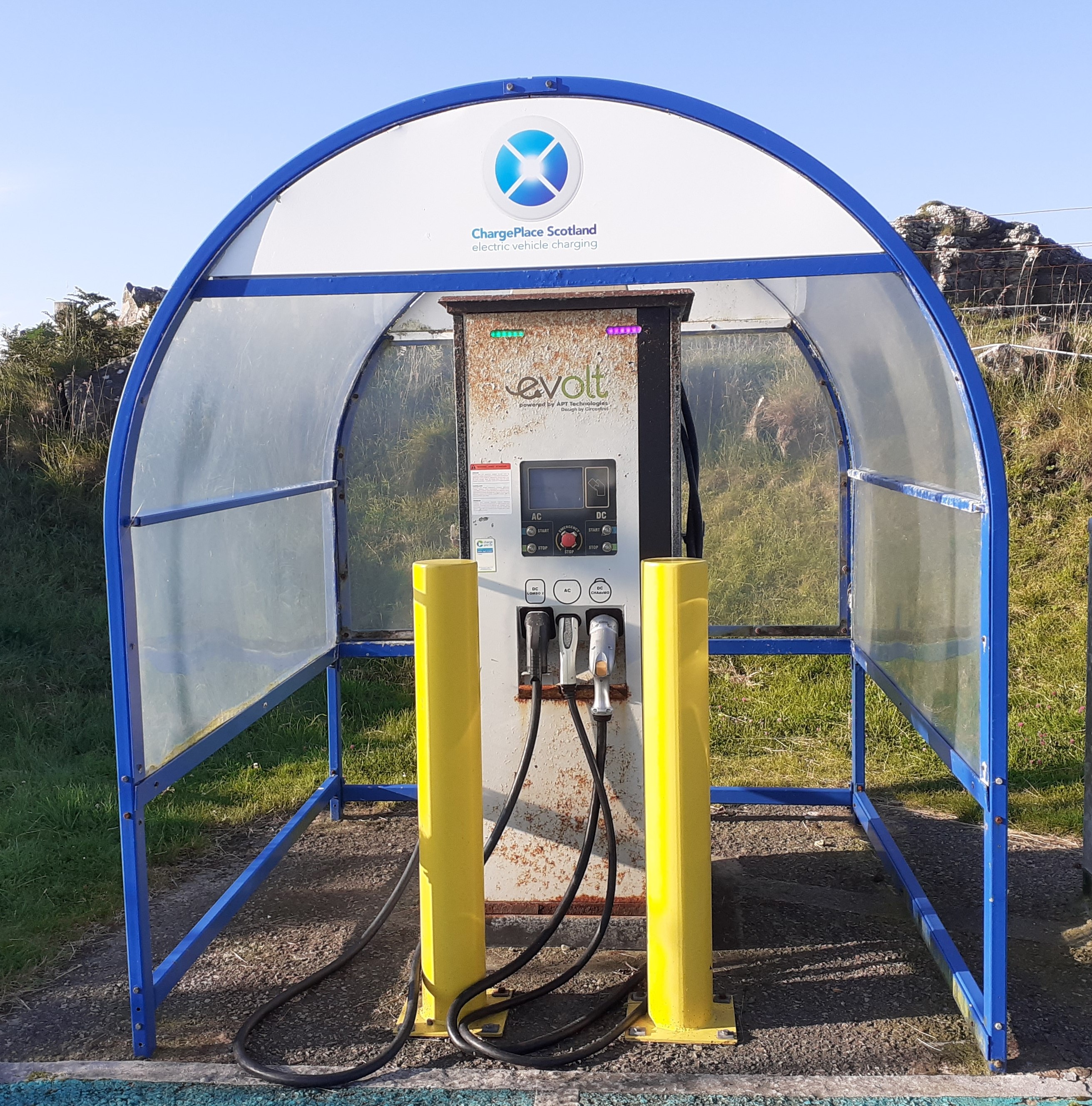
- At Betws-y-Coed, I selected an E-Volt charger, drawn in by the price of 45p on Zapmap. The first time I was charged 45p, the second time 85p – at a neighbouring but identical charger. Admittedly the small print on the App did show this difference but I feel aggrieved. Is this even legal?
- Charging prices are not always clearly displayed, with some chargers advertising rates such as "from 45p per kWh".
- Bright sunlight sometimes made charger screens difficult to read.
- It can be unclear whether parking charges apply while charging and how long you are allowed to stay – both for the charger and for the car park.
Why Are Motorway Chargers So Expensive?
There are several reasons:
- High rent charged by motorway service station operators.
- Charging hubs often require high-voltage grid connections and new substations which can cost over £100,000. Operators must recover these installation costs.
- Public charging providers often pay higher commercial electricity rates than households which benefit from the ‘price cap’.
- Additional network and standing charges apply.
- Most people charge at motorways during daytime peak periods.
- 5% VAT is added to home electricity (soon to be cut to 0%), while public EV charging is charged at 20% VAT.
Discussion
For most EV owners who can charge at home, running costs are very low. However, drivers who rely heavily on public rapid chargers can pay more than petrol car drivers.
This creates a challenge for people who cannot install a home charger. They may never benefit from the low running costs that are often associated with electric vehicles.
More competition and flexible pricing could help encourage charging at quieter times when electricity is cheaper.
Harmonising VAT would also help. As a principle, I don’t think energy use should be subsidised, so there is a case to increase domestic VAT on domestic electricity to 20% rather than decrease VAT on EV chargers. I explored this in my blog on Domestic Electricity Costs.
The UK Government is currently consulting on the cost of public EV charging including recommendations on how to lower the cost for consumers. Their report is due in Autumn 2026.
Meanwhile the FairCharge campaign recommends:
- 99% reliability for rapid chargers.
- Public access to important charging network data.
- Clear motorway signs showing charger locations and availability.
- Roadside signs showing charging prices per kWh.
- Clear information about parking rules and charges while charging.
- Contactless payment at all rapid and ultra-rapid chargers.
- VAT on public charging reduced from 20% to 5%.
- Clear pricing and realistic charging speed information at every charger.
- Penalty charges against petrol and diesel vehicles parking in EV charging bays.
Fuel Duty and Future EV Taxes
The Government has proposed a new Electric Vehicle Excise Duty from April 2028:
- 3p per mile for fully electric vehicles.
- 1.5p per mile for plug-in hybrids.
The aim is to replace some of the tax revenue lost from declining sales of petrol and diesel while still encouraging people to switch to electric vehicles as the new levy is approximately half the rate of current fuel duty.
No one likes a new tax, but this seems like a reasonable approach, as roads and transport infrastructure (and other public services) still need to be funded. Also driving an electric car can feel ‘guilt-free’ but EV’s still cause traffic congestion, parking pressures and roads and infrastructure take up valuable land.
A bigger concern is the growing gap between people who have access to cheap home charging and those who do not. This is why government support for expanding charging infrastructure remains important, especially in cities where many people do not have off-street parking.
As electric vehicle adoption grows during the 2030s, affordable off-peak charging will need to be available to everyone, not just those with a driveway.
--------------------------------------------------------------------------------------------------------------------------------------------------------------------------------------
If you like this blog, please share with your friends and on social media.
Stay Connected and Discover More
I publish a monthly blog on climate solutions. You can access my existing blogs here, and can search by keyword or category. To join my mailing list email This email address is being protected from spambots. You need JavaScript enabled to view it. with the header “please subscribe”.
Connect on social media: LinkedIn, X, Facebook, Instagram, Bluesky
You might also enjoy Carbon Choices, on the common-sense solutions to our climate and nature crises. Available from Amazon or order a signed copy. I am donating one third of profits to rewilding projects.